Replace your organic waste bin with a compost bin
Composting is a simple and natural way to give your garden and kitchen waste a second life. What may seem like waste today can, with the right approach, be transformed into valuable compost that nourishes the soil and supports plant growth. In this practical guide, discover how to build up your compost correctly, maintain it and eventually use it in your garden.
What do you need?
Composting is perfectly possible without any tools, but the following tools make the process a little easier, cleaner and more hygienic.
- Garden fork – to regularly aerate your compost and mix the material thoroughly.
- Wheelbarrow or garden bag – to easily and efficiently move garden waste.
- Gloves – to protect your hands and keep them clean while composting.
Would you like to know more about how the composting process works?
Then consider using a compost thermometer to monitor the temperature inside your compost heap.
1: Choose a suitable location
Place your compost bin in a spot that gets both sun and shade. This gives the compost enough warmth to keep the composting process going, while preventing the compost heap from drying out too quickly.
- Tip: preferably place your compost bin somewhere easily accessible. This means you don't have to walk far with your garden and kitchen waste, making it easy to add new material to the compost bin.
2: A stable base
Do you have loose or uneven ground? Use a few paving slabs and place at least one slab under each corner of the compost bin. This keeps the bin stable and prevents it from sinking or becoming wobbly.
- Tip: want to make sure your compost bin is perfectly level? Use a spirit level to check this easily and accurately.
3: Start with brown garden waste
Place a layer of brown garden waste at the bottom of the bin. This layer ensures good air circulation at the bottom of the compost bin and prevents the material from becoming too compact.
Do you know what is considered brown material?
- Leaves and needles
- Branches and wood chips
- Straw
- Unprinted cardboard
- Dry plant material
4: Alternate green and brown material
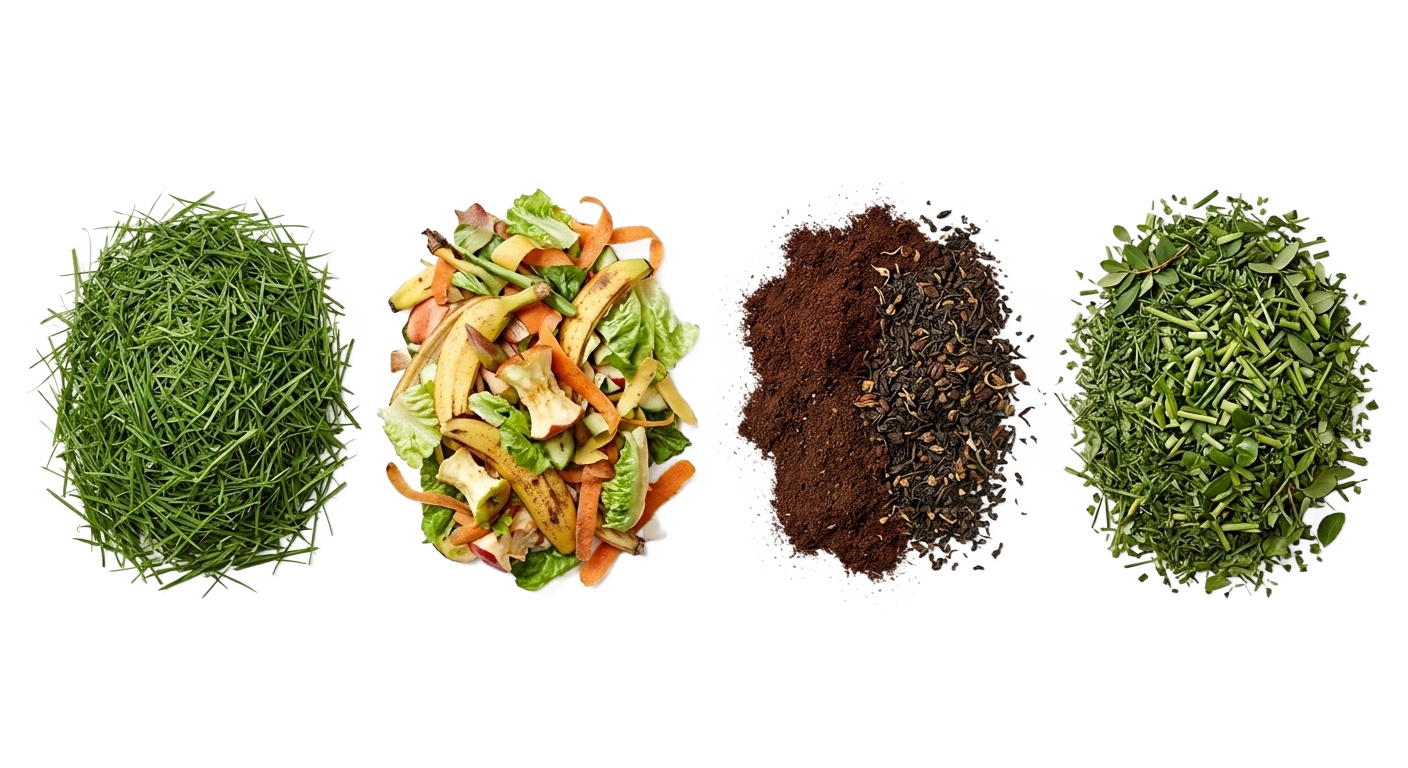
Add green material and alternate it with brown material. Green material mainly provides moisture and nutrients, while brown material adds structure and air to the compost. Examples of green garden waste include: grass clippings, fresh pruning waste, weeds, cut flowers, hedge trimmings, as well as coffee grounds and tea leaves.
- Tip: don't add too much of one type of material at once. By properly alternating green and brown material, you create the right balance for an efficient composting process.
Did you know that kitchen waste can also be composted?
- You can add raw fruit and vegetable scraps, but avoid cooked, processed or heavily seasoned food. This helps prevent pests from being attracted to your compost heap.
5: Make sure there is enough air
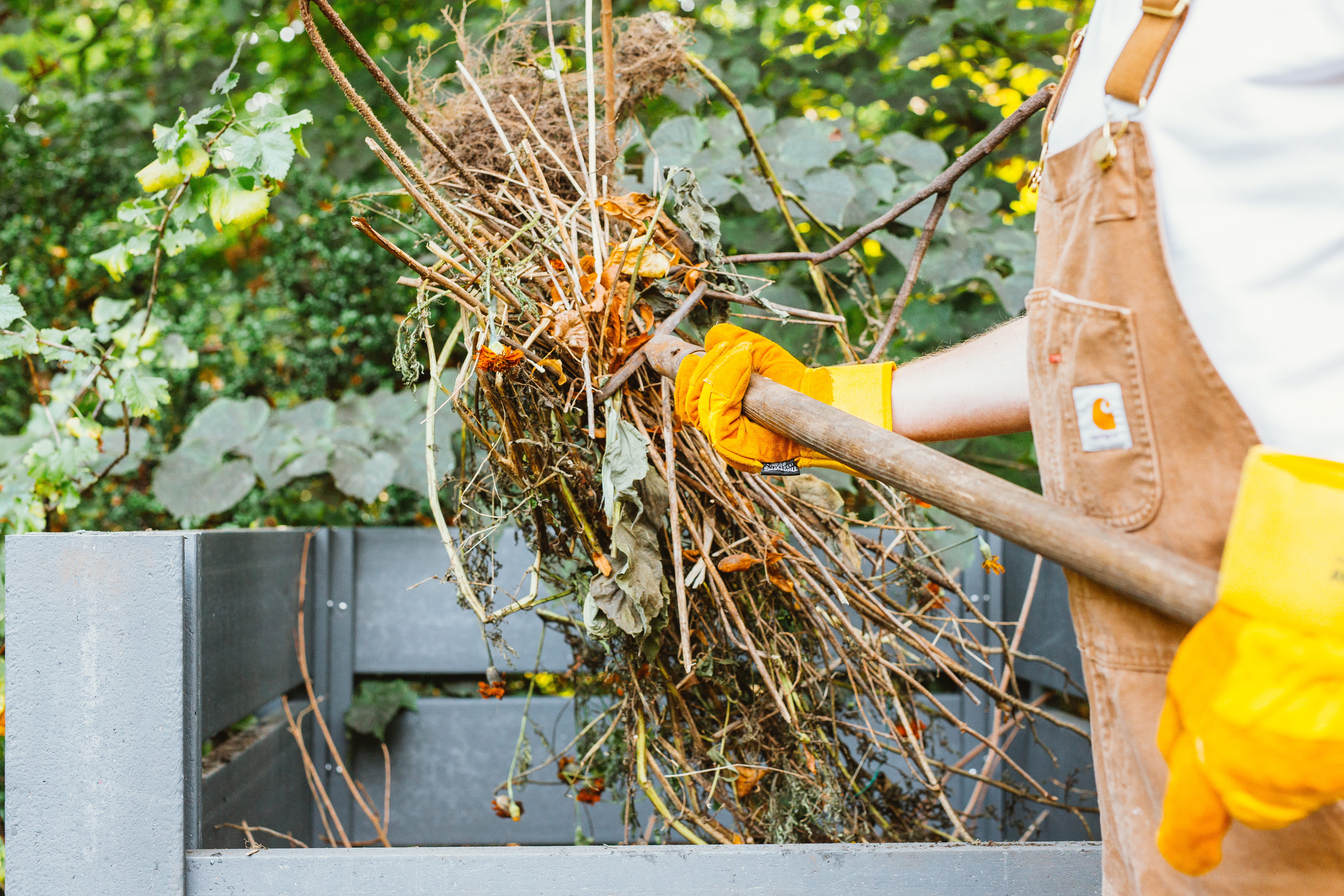
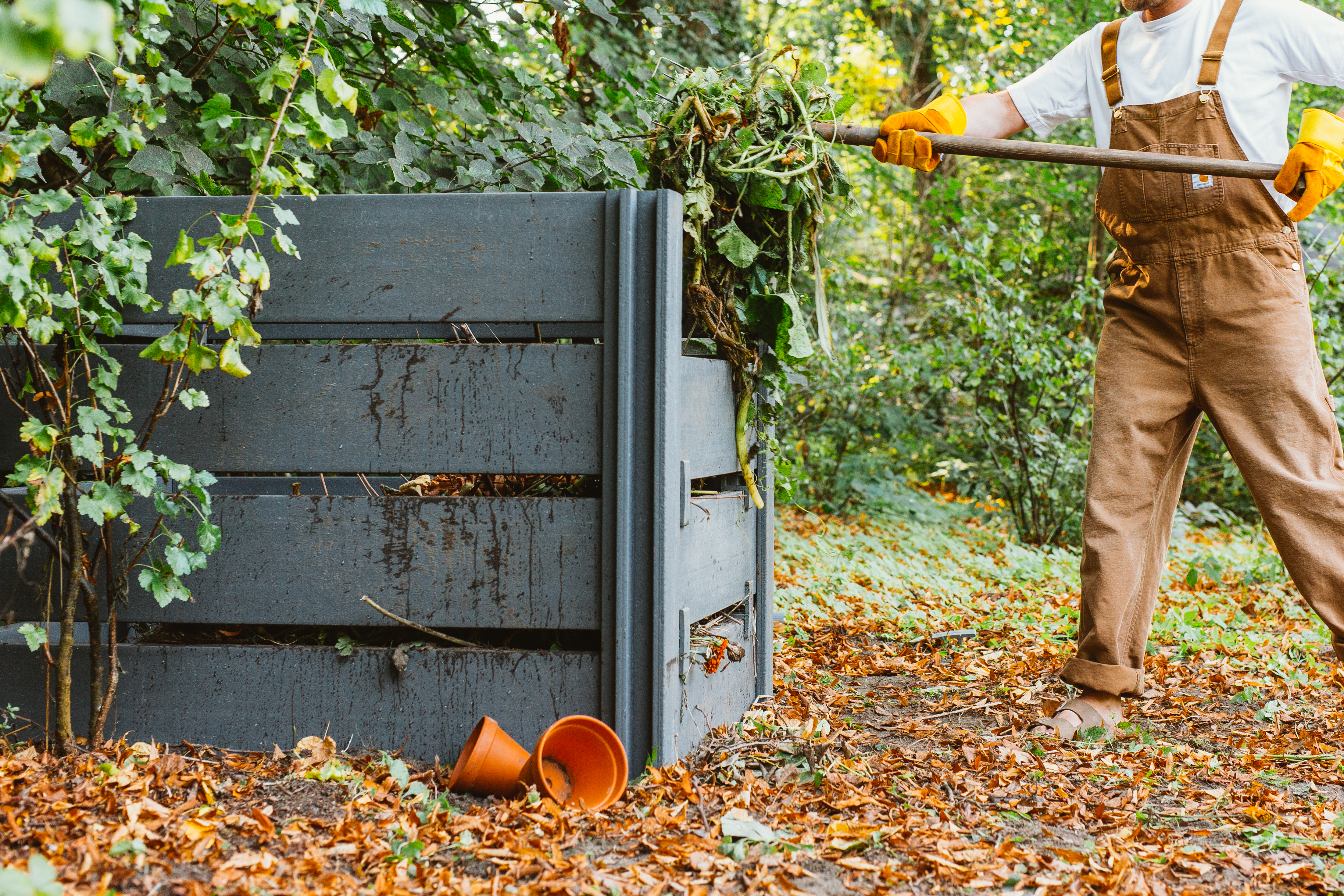
Regularly aerate your compost with a garden fork, so that enough oxygen can reach the material. Even better, after a few weeks, remove the material from the bin, mix it thoroughly and put it back into the bin. This ensures that the entire compost heap receives enough oxygen and speeds up the composting process.
6: A large garden? Use several compost bins
Do you have a large garden and produce a lot of green and kitchen waste? Then it can be useful to work with three compost bins. This allows you to keep adding fresh material to one bin while the other bins continue composting. This way, you always have room for new waste and can harvest ready-to-use compost at different times.
- Use one bin for fresh material.
- A second one for partially decomposed compost (more than 3 to 4 months old).
- And the last one for mature or further-maturing compost (more than 6 months old).
7: Keep an eye on smell and moisture
Does your compost smell unpleasant? Aerate the compost thoroughly and, if necessary, add some extra brown material. If the material is too dry, add some green material or lightly moisten the compost with water.
Tip: how to recognise mature compost
You can tell whether your compost is ready to use by looking at a few characteristics:
- Colour: the compost is dark brown to almost black.
- Structure: it is crumbly and looks a little like dark soil.
- Smell: mature compost has a fresh, earthy smell, not a sour or unpleasant one.
- Recognisable remains: most leaves, grass clippings and kitchen scraps are no longer recognisable.
- Temperature: the compost has cooled down and feels roughly the same temperature as its surroundings.
8: Protect your compost from rain and strong sunlight
Protect your compost heap from heavy rain and strong sunlight by placing a small roof over the compost bin or installing the bin in a sheltered location. This helps maintain the right moisture level and prevents the compost from becoming too hot or too wet, allowing the composting process to take place more evenly.
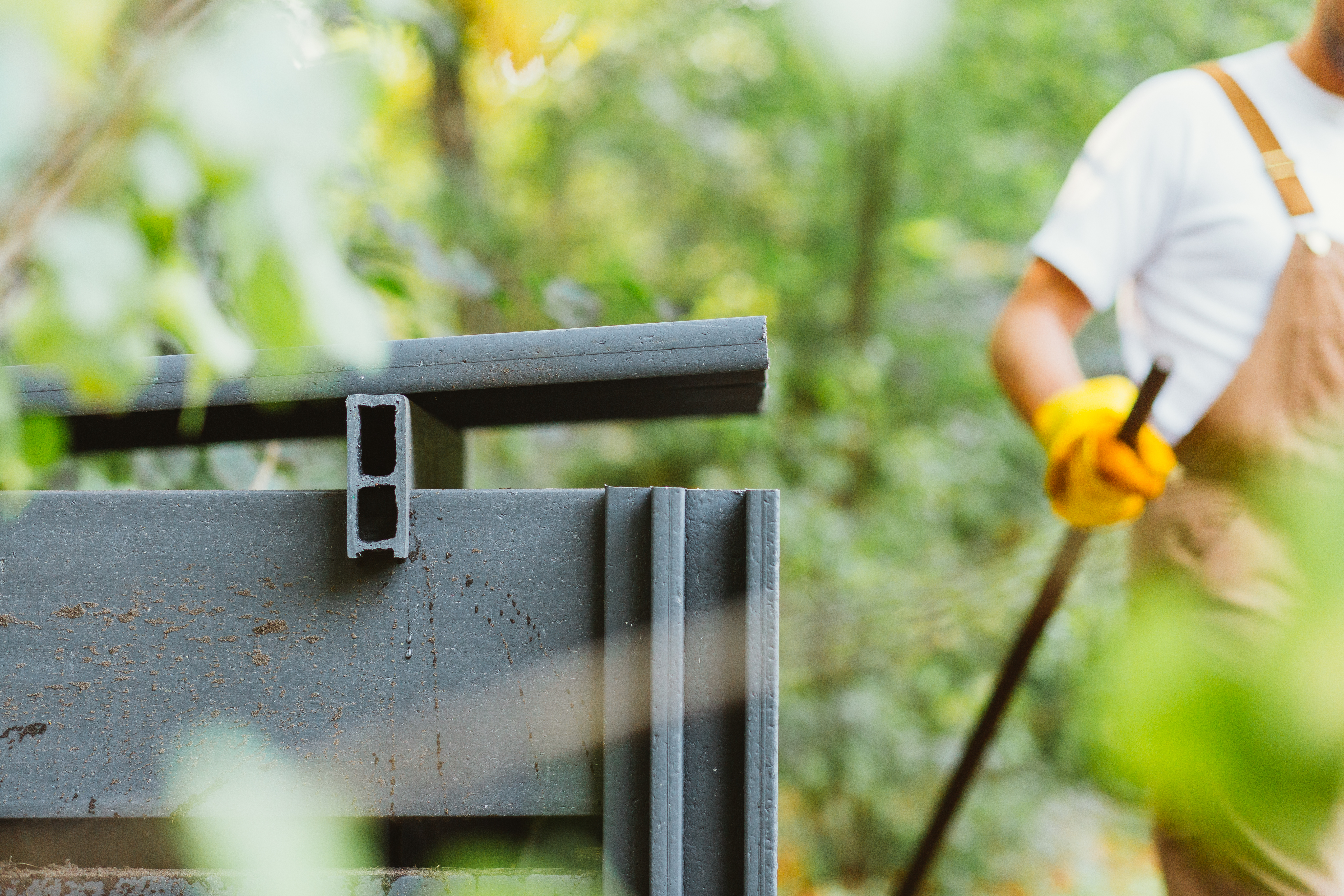
Watch our video
Ecoo products made from 100% household plastic waste
Did you know that Ecoo products are made from 100% of your household plastic waste? This includes yoghurt pots, packaging films and other plastic containers. We recycle this mixture of different plastics into a high-quality raw material that can be used again and again.
This means that each compost bin gives more than 40 kg of household plastic waste a second life. What is considered waste in your home is given a new purpose and remains in the circular economy for longer. Together, we can turn waste back into a raw material and a new product.

Compost bin Classic
These Classic compost bins are exceptionally robust and available from 873L to 1,500L. Thanks to their modular design, they can be easily expanded with additional modules that connect seamlessly. Create a composting solution tailored to your needs.

Terragrow 850L
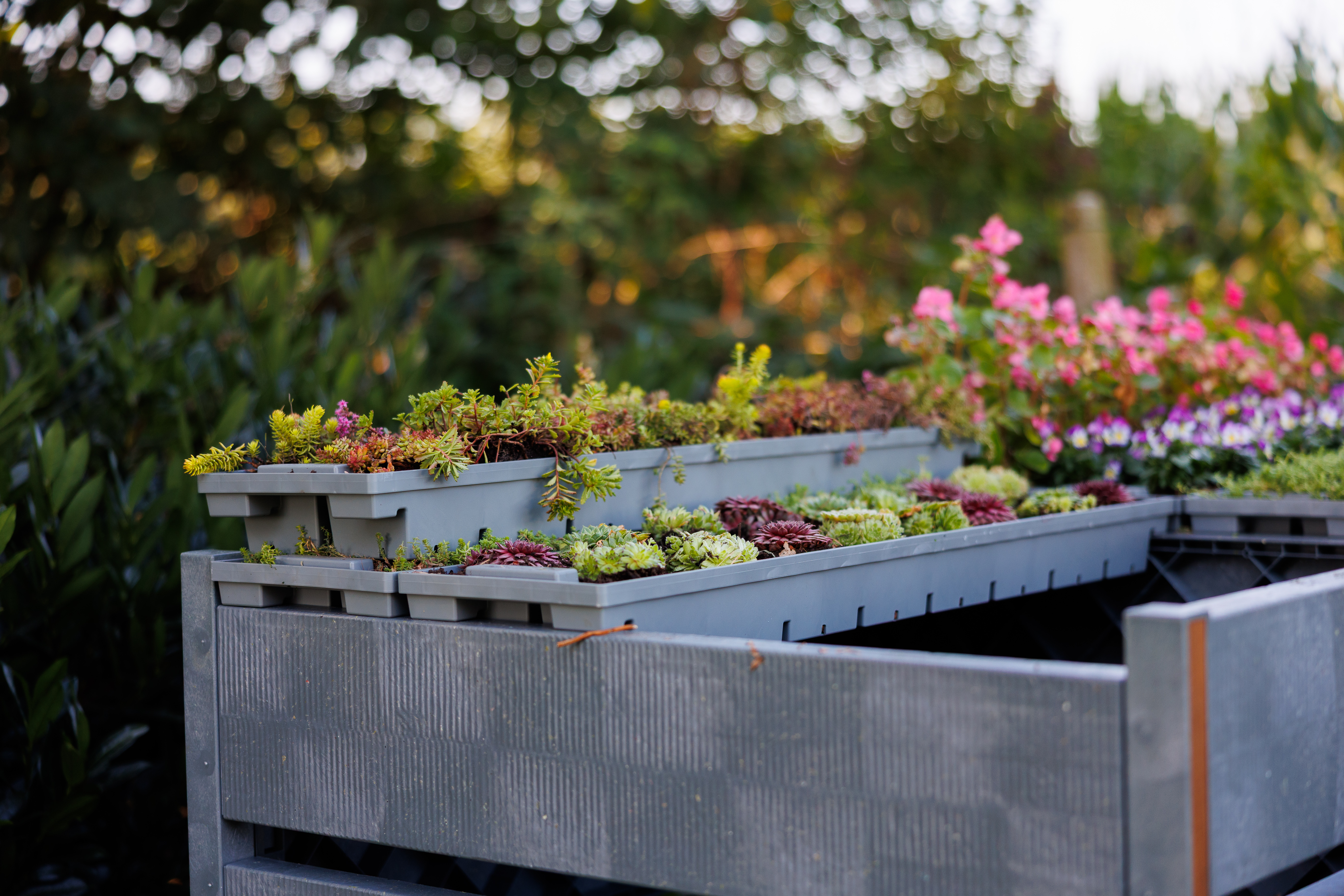
The Terragrow 850L is not a compost bin to hide away, but a stylish addition to your garden. With its generous 850L capacity and smart click system, it can be assembled quickly and easily. Add the matching plant trays and transform your compost bin into a green eye-catcher with a beautiful insulating roof.

Ecoo's gardening products
Ecoo's gardening products
By making conscious choices today, we are creating a positive impact for future generations.


